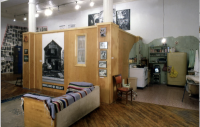
 A crise da habitação atravessa fronteiras, tal como os fundos de investimento que transformam casas em ativos financeiros e os movimentos que reclamam o direito a habitá-las. Maria Inês Gameiro aproxima a crise das instituições internacionais das lutas pelo acesso à casa e encontra, na circulação dos protestos e na partilha de soluções jurídicas, um multilateralismo das ruas capaz de interpelar o direito e exigir respostas comuns.
A ler
26.10.2026 | por Maria Inês Gameiro
 Entre a procura de uma casa e o direito de ocupar uma praça, o esgotamento torna-se uma experiência comum e uma razão para agir em conjunto. A partir do filme Procuro T e da experiência de um realizador brasileiro que se prepara para deixar Lisboa, Danilo Bastos Godoy e P.J. Marcellino escrevem sobre a violência quotidiana da crise da habitação e a repressão de quem se organiza para lhe responder. «A casa, a praça e a voz pertencem à mesma vida.»
Cidade
25.10.2026 | por Danilo Bastos Godoy e Pedro José-Marcellino aka P.J. Marcellino
 O que poderá ser o último ato do comandante do Exército é o anúncio, no final do debate, de uma transmissão em direto de 24 horas, com o objetivo de desencadear uma «revolução democrática digital» do povo brasileiro, que, em apenas duas semanas, se terá armado de armas digitais para conduzir autonomamente a sua própria batalha contra a META, o seu próprio Tribunal Superior Eleitoral (TSE), um clã de milicianos, Trump e a elite alucinada do país.
A ler
23.10.2026 | por Laura Burocco
 Em exibição no FIC Luanda a 29 de outubro, Amílcar, de Miguel Eek, aproxima-nos do homem através das cartas, dos afetos e das contradições que atravessam a luta de libertação. Entre a intimidade e a construção coletiva da independência, o filme abre também perguntas sobre as escolhas de quem conta esta história e o acesso aos arquivos que a guardam. Uma leitura de Marta Lança, acompanhada de uma entrevista ao realizador.
Afroscreen
23.10.2026 | por Marta Lança
 a eleição mais importante da nossa história. Sinto que é um farol para o mundo, porque o Brasil é uma vanguarda tanto do experimentalismo de direita, vinculado às big techs e à venda de terras raras, quanto do ponto de vista progressista: o Bolsonaro tentou dar um golpe de Estado e foi preso. O Trump não foi. Contudo, há um alinhamento à direita como nunca se teve. Você tem um governo neofascista nos Estados Unidos e um alinhamento impressionantemente descarado das big techs com regimes fascistizantes. E a Meta está interferindo diretamente nas eleições no Brasil. É público, notório.
Afroscreen
22.10.2026 | por Manuel Halpern
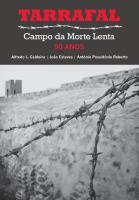 Há 90 anos, a mando do governo ditatorial presidido por Salazar, foram deportados para a Ilha de Santiago, na então colónia de Cabo Verde, 151 presos políticos e sociais. Foi o início de uma longa e penosa história que se arrastou até 1974.
Aí foram encarcerados várias centenas de presos, quer portugueses, quer guineenses, angolanos e cabo-verdianos e de outras diversas nacionalidades. E aí morreram 36 desses presos.
Há 90 anos, a mando do governo ditatorial presidido por Salazar, foram deportados para a Ilha de Santiago, na então colónia de Cabo Verde, 151 presos políticos e sociais. Foi o início de uma longa e penosa história que se arrastou até 1974.
Aí foram encarcerados várias centenas de presos, quer portugueses, quer guineenses, angolanos e cabo-verdianos e de outras diversas nacionalidades. E aí morreram 36 desses presos.
Mukanda
22.10.2026 | por vários
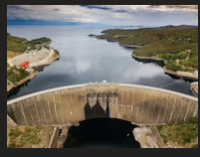 A reconfiguração da ordem internacional no século XXI não se joga apenas nas chancelarias do Norte Global nem nos teatros geopolíticos da Europa de Leste ou do Pacífico Ocidental. É no continente africano que a transição de um mundo unipolar sob hegemonia ocidental para um arranjo multipolar encontra a sua manifestação material mais visível. Ao longo das últimas duas décadas, o rápido avanço da República Popular da China em África alterou profundamente as dinâmicas de financiamento, comércio e diplomacia, oferecendo aos Estados africanos uma alternativa concreta ao monopólio histórico exercido pelas antigas potências coloniais europeias e pelas instituições de Bretton Woods.
Jogos Sem Fronteiras
21.10.2026 | por Pedro Oliveira
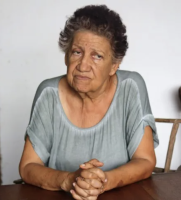 Nos 40 anos do Mutumbela Gogo, Venâncio Calisto homenageia Manuela Soeiro, mãe do teatro moçambicano, cujo nome foi atribuído à sala-laboratório de Teatro da Universidade Eduardo Mondlane. Um percurso pela história de uma companhia que levou Moçambique aos palcos do mundo, fez do teatro um lugar de intervenção social e formou gerações de artistas, lembrando a urgência de honrar os mestres e cuidar dos espaços que guardam o seu legado.
Palcos
21.10.2026 | por Venâncio Calisto
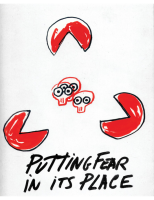 Entre a Cidade do México e Veneza, o programa paralelo de RedSkyFalls, de Alexandre Estrela, cruza arte, ciência e percepção da ameaça. Uma conversa sobre os mecanismos do medo e os movimentos telúricos, no MUAC, e um programa de leituras e performances que assinala os 271 anos do terramoto de Lisboa prolongam as réplicas da instalação.
Vou lá visitar
21.10.2026 | por vários
 Entre a tesoura que fragmenta as imagens de Untitled 77A, de Han Okhi, e a voz que se interrompe e desfaz em FMI, de José Mário Branco, desenha-se uma afinidade entre cinema e música: a procura de uma linguagem capaz de denunciar os poderes que a limitam. Duas obras que, em contextos distintos, fazem do corte, do silêncio e da fragmentação formas de resistência à censura e ao esvaziamento da expressão política.
Palcos
21.10.2026 | por Eduardo Camacan e Gabriel Martins
 Entre cruzeiros, despejos, demolições e festas, Lisboa oferece-se a quem chega e torna-se cada vez mais difícil para quem nela vive. Em "O Nosso Último Filme sobre Lisboa#, os Left Hand Rotation perguntam que vestígios ficarão das lutas partilhadas nas suas ruas. Um percurso pela cidade que se perde e pelas pessoas que insistem no direito à cidade, pela solidariedade e luta. O filme vai passar no Doc Lisboa a 22 outubro às 21h30 .
Cidade
19.10.2026 | por Marta Lança
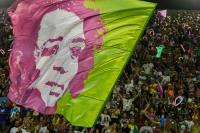 Este ensaio tem como objetivo central investigar a correlação entre o conceito de O Direito Achado na Rua e os desfiles da Estação Primeira de Mangueira, analisando como esse direito se manifesta e se perpetua nas expressões culturais de uma comunidade.
Palcos
15.10.2026 | por Jheniffer Lopes Martins
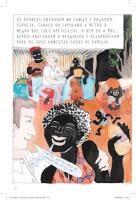 "O que tento abordar não é mais do que experiências, pessoais ou próximas, e dilemas que me afetam hoje enquanto mulher, mãe, numa cultura urbana e ocidental, e tentar pôr no papel esses questionamentos e dúvidas." Da infância no Moçambique pós-independência à vida em Buenos Aires, Júlia Barata encontra no desenho um modo de interrogar a memória, o quotidiano e as relações. A propósito da sua adaptação gráfica de Caderno de Memórias Coloniais, de Isabela Figueiredo, conversa com Tiago Lança sobre a representação da violência colonial, os feminismos do quotidiano e a liberdade de contar histórias sem lhes fechar o sentido. Pelo caminho, fala da aprendizagem coletiva na banda desenhada argentina e do desmantelamento cultural que testemunha no país onde vive.
Cara a cara
14.10.2026 | por Tiago Lança e Júlia Barata
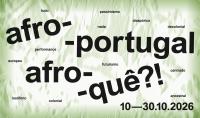 Tantos hífens, por si, parecem conduzir a uma circularidade viciosa e perder, paulatinamente, o potencial de combate ao racismo, numa altura em que é absolutamente necessário. Por isso, é importante solidificar os modos de afirmação das pessoas negras como sujeitos plenos das diversas comunidades em que se movem e como agentes do seu futuro e das sociedades em que desejam viver. Afinal, quem fala, de quem se fala, para quem se fala? Será possível quebrar a segregação com a criação de mais caixas? Decolonial é o anti-colonial ou o novo colonial?
Vou lá visitar
14.10.2026 | por várias
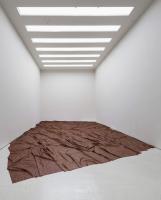 Um dos aspetos miríficos da ocupação profissional sem patrões é, precisamente, esta sensação doméstica, mas sobretudo poder dispensar os colegas canalhas. Não aturar esses poderes intermédios, os capatazes, os fascistas caga-tacos. Em cada ínfima possibilidade de fugir da mira deles, afastemo-nos dos canalhas, não lhes damos alimento, que apodreçam na sua jaula infecta. Demorei demasiado tempo a identificar os prevaricadores e a proteger a minha preciosa energia das relações tóxicas (à parte a expressão imbecil), é mesmo uma questão de auto-proteção.
Mukanda
14.10.2026 | por Marta Lança
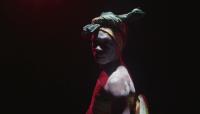 Em A Dança das Máscaras, de Sara de Gouveia, o bailarino Atanásio Cosme Nyusi atravessa a história de Moçambique com o corpo, a voz e a capacidade de fabular. Entre a violência colonial, a libertação e a guerra civil, o Mapiko surge como uma arte que guarda memórias, transforma destinos e se reinventa na transmissão entre gerações. Preservá-la implica assegurar condições para que outros continuem a dançar.
Palcos
13.10.2026 | por Marta Lança
 Incorporo a lusofonia como um debate, algo que se distancia de qualquer substância, um foco virtual que, tendo como referência a língua portuguesa, adquire uma dinâmica própria em distintos contextos nacionais. Longe de estarmos diante de um pensamento consensual, a lusofonia paira sobre situações de tensão que colocam estes distintos contextos em contato. (Artigo de 2011)
A ler
12.10.2026 | por Omar Thomaz Ribeiro
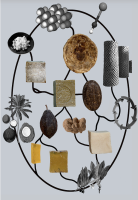 De tanto ser invocado no discurso político, o «chão comum» parece uma evidência. Mas quem cabe nele e quem fica de fora? Entre a promessa de consenso e as práticas de partilha, há diferenças decisivas. Das reflexões de Silvia Federici e José Castiano às hortas urbanas, às redes de cuidado e aos espaços culturais independentes, interessa-me pensar o comum como algo que fazemos juntos: uma construção inacabada, atravessada por conflitos, responsabilidades e relações de interdependência. Um chão que só existe enquanto houver quem o faça.
Mukanda
11.10.2026 | por Marta Lança
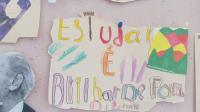 A falta de professores, a precariedade dos trabalhadores e a degradação dos edifícios escolares revelam décadas de falta de planeamento e investimento na escola pública. Nas periferias, as desigualdades tornam-se ainda mais profundas. Entre serviços cortados e direitos por cumprir, milhares de profissionais continuam a chegar à escola carregados de utopias e amanhãs.
A ler
09.10.2026 | por Maria Prata
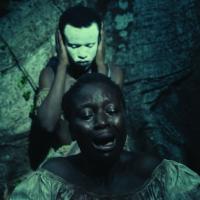 “Nome” é um filme que vai ao mais fundo baú da memória colectiva guineense resgatar os feitos gloriosos de uma luta que ensinou ao mundo a lutar mesmo quando as forças parecem inexistentes para isso; a força da união e o sentido da fraternidade que permitem às pessoas manter a sua humanidade e amar mesmo em tempos de guerra e perante morte anunciada. É também um acto de coragem de um cineasta que viveu e participou na luta com as armas que o Partido lhe confiara – e que tão bem tem honrado – ao retratar a tragédia de um país iniciada por aqueles que souberam guiar o povo para a sua libertação do colonialismo.
Afroscreen
09.10.2026 | por Sumaila Jaló