There was also a clear intention of appropriation of the archives, especially the written sources. As Saidiya Hartman points out, for enslaved people, the archive is always an encounter with violence: they appear in the records only when they are bought, shipped or landed. It is never they who leave behind their own writings or their version of the story. It is always the oppressor, the enslaver, who writes. Therefore, this file is inevitably contaminated by this historical violence, and still existing on the present day. But I felt that I had the right to make it my own, to take from it whatever served the film’s purpose: to tell this story in a free, expanded and contemplative way.
 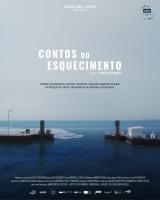 These names are part of a list, whose same logic inspired another list composed of the names of several children from a Portuguese public school to be read by the Portuguese (neo) colonial-fascist party in Parliament, which exposed these same children to hatred and violence (in Portugal as in Palestine). The list I have partly copied above is a document, perhaps a list of those arriving in a slave ship, which the Portuguese filmmaker Dulce Fernandes included in her latest film, Tales of Oblivion.


Lagos
Articles tagged with Lagos
Tag Archive
- ...
- A House in Luanda
- Abderrahmane Sissako
- academic knowledge
- Activistas
- African lands
- african screens
- Afro-Caribbean
- afrobeat
- Afrolis
- Ana Bigotte Vieira
- anarchy
- arab spring
- arquivo
- art as activism
- As Cidades e as Trocas
- bell hooks
- biblioteca
- buenos aires
- Cacau
- cannibal museology
- Cape Verde
- César Schofield Cardoso
- ciberespaço
- Cidade do Cabo
- collector
- colonial memory
- controversy
- COVID-19
- cultures
- decolonial
- Descolonizing Decolonization
- dia da consciência negra
- Egypt
- elections
- Ephemeral Landscapes
- equal rights
- Exhibition-Fair Angola 1938
- expression
- Felix Schumba
- Fiction
- Françoise Vergès
- Freud
- Giovani Lourenço
- humor
- interculturalit
- Interwinings: peripheral arts
- intimidade
- Jacinto Lemos
- Joëlle Sambi
- Jogos Sem Fronteiras
- lendas
- lucio lara
- lyubov matyunina
- Mangueira
- Margarida Cardoso
- Maria Emília Brederode Santos
- Mário Macilau
- masks
- Memorization
- mil e uma noites
- mitos
- Monte da Caparica
- movies
- mudança
- Mulheres de Abril
- Museu afro-brasileiro
- museu da memória
- museum
- Neliswe Xaba
- Neo-Animism
- occupy Wall Street
- our lady of the chinese shop
- paisagem
- paris conference
- Pedro Pinho
- polish photography
- portuguese
- progressive academia
- racist
- refugiados
- resistência
- sandwich
- security
- semba
- Sines
- slave ship
- social movements
- sondagens
- South Africa
- story
- tabu
- Tahir Square
- tailors
- Tambla Almeida
- Teatro Griot
- Tervuren
- theatre
- Trinidad
- Walter Salles