Festival Panos

22 - 24 MAICentro Cultural de Paredes

O PANOS — palcos novos palavras novas é um projeto onde se lê, faz e apresenta teatro de e para jovens, dos 12 aos 19 anos.
Ao longo de quase um ano, num processo composto por várias fases, o PANOS promove e valoriza o teatro juvenil em Portugal e as novas dramaturgias, a partir da criação artística em conjunto com dezenas de grupos de norte a sul do país. Grupos de jovens, de escolas, associações, teatros e grupos municipais escolhem e encenam um de três textos, ensaiam e apresentam o espetáculo nas suas cidades, vilas ou aldeias e os palcos descentralizam-se. Seis criações são depois selecionadas por um júri para apresentação no Festival PANOS, uma celebração coletiva e intensa da experiência teatral, que decorre durante três dias, em Paredes.
Conheça os grupos participantes na edição 2026 do PANOS – palcos novos palavras novas, aqui.
Festival PANOS – Centro Cultural de Paredes
22 MAIO ESPETÁCULOS 

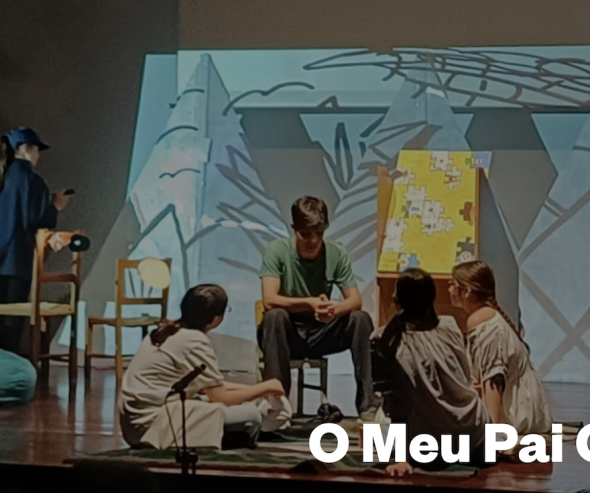
O Meu Pai Carlitos de Joaquim Arena pelo grupo Outros Trevos (Portalegre)

Pequeno Auditório > 18h  

Carlitos, 40 anos, pai de Pedro, Joana e Luís (falecido aos 15 anos), desaparece. A família desespera: a mulher Maria Teresa e a mãe; bem como a D. Bia Zé, os vizinhos e amigos. O tempo passa e as autoridades não têm sucesso nas buscas que vão fazendo na região. Em O Meu Pai Carlitos, de Joaquim Arena, percorremos em revista, durante a investigação, o passado de Carlitos. Porque afinal Carlitos desapareceu? Por causa da morte do filho Luís? Porque a vida lhe é insuportável? Que homem é afinal Carlitos?

Insegura – Uma Tragédia de Enganos de Ana Markl pelo grupo de teatro infanto juvenil RecreArte (Marinha Grande) Grande Auditório > 21h  

23 MAIO LANÇAMENTO DO LIVRO PANOS 2025coordenação Sandro William Junqueira edição TNDMII Foyer > 16h ESPETÁCULOS

Insegura – Uma Tragédia de Enganos de Ana Markl pelo grupo Sol d’Alma – Associação de Teatro (Ovar) Pequeno Auditório > 18h Olívia de Mariana Jones pelo grupo Art´J - Escola Profissional de Artes Performativas da Jobra (Branca) Grande Auditório > 21h

Festa PANOS
Arena > 22h30
  24 MAIO ESPETÁCULOSOlíviade Mariana Jonespelo grupo Ateatra (Vila Nova de Santo André)Pequeno Auditório > 18h Insegura – Uma Tragédia de Enganosde Ana Marklpelo grupo Escola Secundária Dr. Ginestal Machado (Santarém)Grande Auditório > 21h
14.05.2026 | by martalanca | Joaquim Arena, panos

The Best Books We Read in 2023

By Words Without Borders

WWB staff members share their favorite translated books of the year and the titles they’re most looking forward to in 2024.

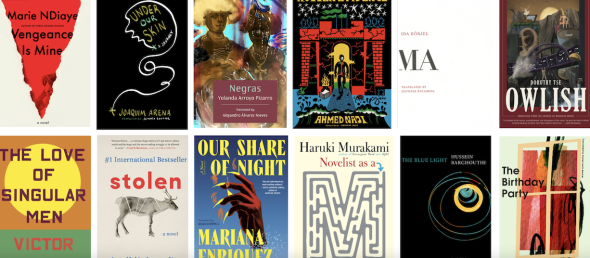
Joaquim Arena’s Under Our Skintranslated from the Portuguese by Jethro Soutar, an investigation into the remarkable lives of João de Sá Panasco, Thomas-Alexandre Davy de la Pailleterie, Andresa do Nascimento, and Marcelino Manuel da Graça, to name just a few of the historical figures profiled in this stunning book on the African diaspora in Portugal, could not have come at a better time—just as I have been reading about Juan Latino, Charles Graves, Mary Wilhelmina Lancaster, and Priscilla Henry, equally impressive figures of the diaspora in Spain and the United States. In addition to leading me through the lives of these key figures as they intersected with the course of History and came to be represented in the arts, Arena, whose book begins with his return to Portugal from his home in Cabo Verde after the death of his adoptive father, also grounded me by creating a striking sense of place. Consider his description of Alcácer do Sal: “But there’s something alluring and hospitable about the place too, as if its shadowy streets guard ancient secrets. The castle on the hill, the al-qasr (‘the castle’ in Arabic) that gives the town its name (along with sal, the Portuguese word for ‘salt’), watches over the floodplains, vast and lushly green, and looks down on the white town that climbs the slope from the river. The place has been the scene of historical battles, invasions, clashes between great empires and civilizations, and this knowledge undercuts the sleepiness with a sense of import.” Passages like this one, wonderfully mediated by Soutar, keep me returning to Arena’s book and contemplating the various groups of people that carried their languages, customs, and chattel atop a hill in the Iberian Peninsula and made something happen. Arena’s book reminds us that what was made can be unmade if we, like his friend Leopoldina (also profiled in this book), understand how things came to be. In that regard, I think that Louis Timagène Houat’s The Maroons, which tells the story of Frême and Marie’s escape from slavery and introduction into a maroon community in a forest on Réunion Island—translated by Aqiil Gopee and Jeffrey Diteman—is a good harbinger for 2024. 

More info. 


17.12.2023 | by martalanca | Joaquim Arena, livros